Non-Destructive Testing (NDT) allows defects to be detected and the condition of materials to be assessed without compromising their functionality or causing damage. HD has built a strong specialisation in this field and carries out testing on, amongst other things, ships, oil tanks and steel structures using methods such as ultrasonic and thickness gauging.
HD operates in accordance with the international standard EN ISO 9712, with an emphasis on professional working practices, certified equipment and data traceability.
Contact
Gísli Arnar Guðmundsson
astandsgreiningar@hd.is
M: +354 844 0313
Magnetic wire testing (Magnetic Particles Testing) is a well-known method within non-destructive testing, as it is extremely sensitive. It is particularly effective at detecting surface cracks but can also penetrate approximately 1-2mm into the material, thereby detecting cracks beneath the surface. HD has everything for magnetic particle inspection, and at the company we ensure that those who carry out the measurements are trained and certified in the method being used.
Penetrant testing is a well-known method for crack detection. It is widely used in the aerospace industry as it is quick yet effective. The dye penetrant test is a non-destructive testing method. The key to this process is the capillary action of the material and the developer. Vivid colours appear during development. The test is mainly used for metals. If suitable, dye testing can also reveal defects in plastic and ceramics. The method for carrying out a colour test depends on the material's surface. No single colour testing method is suitable for all surfaces. HD has everything for colour testing, and at the company we ensure that our measurement personnel are trained and certified in the method being used.
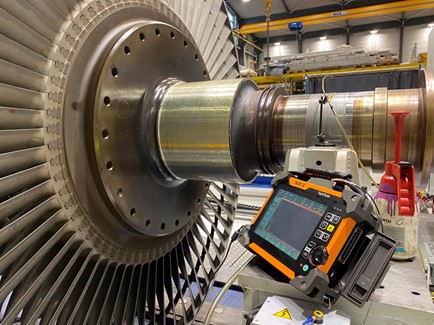
Ultrasonic inspection is one of the most common methods of non-destructive testing due to how quick and inexpensive it is. The most common method within UT is thickness gauging, but it is also widely used for condition monitoring of welds. UT crack detection on bolts or shafts is also a very powerful method for finding cracks beneath the surface.
HD provides all equipment for acoustic wave testing and emphasises that those carrying out the measurements have appropriate training and certification in the method used.
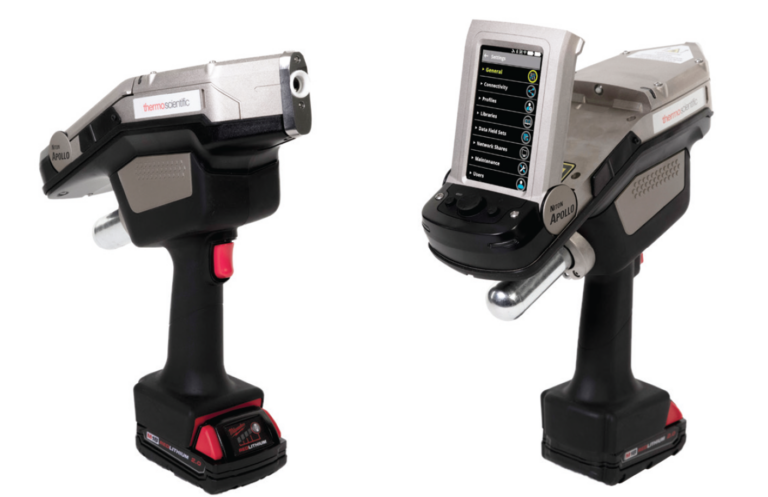
HD has advanced equipment (LIBS metal analysis device) which analyses metals such as;
carbon (C), aluminium (Al), silicon (Si), titanium (Ti), vanadium (V), chromium (Cr), manganese (Mn), cobalt (Co), nickel (Ni), copper (Cu), niobium (Nb), molybdenum (Mo), tungsten (W).
Metallurgical analysis is used, among other things, to:
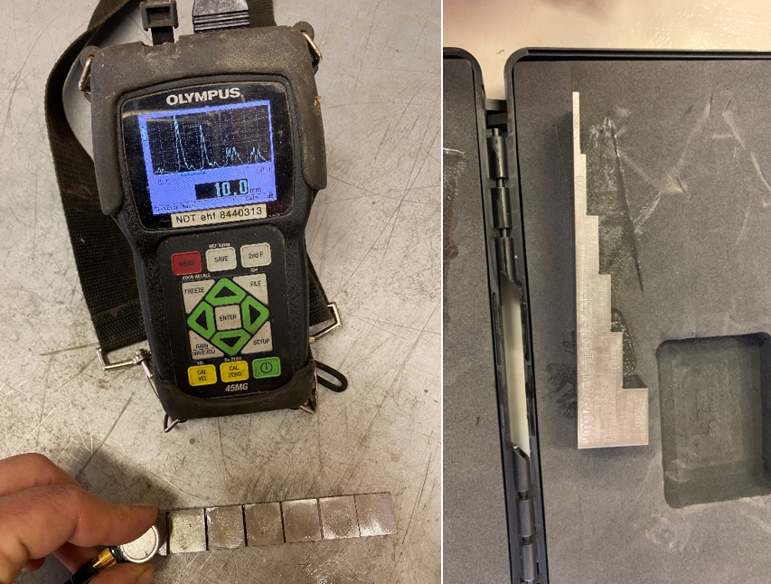
HD provides certified services in thickness measurement for ships, floating equipment, oil tanks and other steel structures where Non-Destructive Testing (NDT) is required. The measurements are carried out by certified personnel in accordance with strict requirements for quality, safety and traceability.
Thickness measurements provide a clear picture of corrosion and wear in steel components and are an important part of regular safety inspections. The results support statutory inspections, insurance company requirements and a targeted maintenance programme. With regular monitoring, anomalies can be detected in a timely manner, reducing risk, minimising unexpected downtime and extending the service life of load-bearing structures.
HD works closely with technical managers, operators and shipyards to plan surveys. This allows surveys to be carried out in a cost-effective and efficient manner, often alongside dry-docking, with minimal impact on operations.
Ship thickness measurement can be a substantial undertaking (often 1.5–2 weeks) and it is important to prepare for it thoroughly. HD assists with the planning and execution as follows:
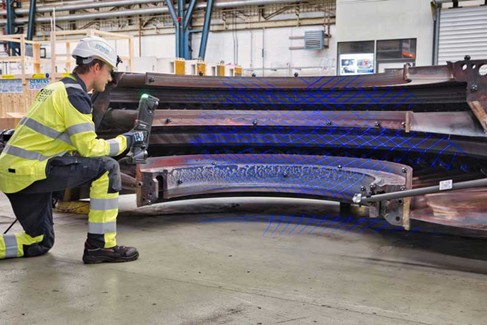
HD offers 3D scanning with a high-tech scanner that measures up to 1.3 million data points per second with an accuracy of ±0.02 mm. The scanner is particularly well-suited for scanning irregular components in a short amount of time, providing very accurate results.
From the scan data, a complete three-dimensional solid model can be created, which is useful for drawing sets, design documentation, or for the manufacture of components. The scanner can also compare two parts and analyse the precise differences between them, which is useful for quality control, redesigns or repairs.
When carrying out electric welding, it is crucial to ensure quality and safety throughout the entire process – from preparation to final inspection. This involves following an established welding procedure and relevant standards, using the correct equipment, and ensuring that drawings, materials and documents comply with the requirements.
Inspection after the boil is complete is important – but not enough. Inspection before and during the boil can be crucial for the quality of the boil. A detailed checklist can ensure that all items are in place before the flame is lit – and that the process itself meets the most stringent requirements.
Most of these matters fall under the responsibility of the noise control officer, but the entire team needs to be aware of the process. At HD, we ensure that all inspections are carried out by personnel who have recognised training and a valid certificate for the relevant testing method, in accordance with international standards.
HD operates according to two key certifications that ensure safety and professionalism in all welding work: ISO 9001 for quality management and ISO 3834 which specifically covers welding processes, but HD is one of the few companies in Iceland with international welding certification. ISO 3834 covers the entire welding process, from preparation and material selection to execution, inspection and the final product. The quality management ensures traceability, constant monitoring and professional assessment in all projects.
More about welding certification under the 'About' tab. metal grinding.
The equipment critical to operations is assessed, and the method best suited to each case is determined – vibration, thermography, electrochemical analysis, high-frequency listening, or a combination of methods.
Sensors and measuring equipment are installed and connected to the company's analysis or maintenance system (CMMS / SCADA / API connections where applicable).
Data is regularly analysed, trends monitored, and deviations assessed using specialised software and artificial intelligence where applicable.
The client receives clear and actionable reports with recommendations for maintenance and prioritisation.
Staff training is provided in the use of equipment to ensure the best possible results.
Regular visits, continuous monitoring and long-term contracts are offered to support continuity of monitoring and increased operational security.
The following are common hardware faults:
HD's condition and monitoring services are tailored to operators for whom reliability and safety are crucial. The service is aimed at ship and fleet technical managers, industrial maintenance managers, energy companies and manufacturing companies where downtime carries a significant cost.
With professional condition diagnostics and harmless tests, HD detects anomalies before a failure occurs. This reduces unexpected downtime, supports condition-based maintenance, and enables operators to make data-driven decisions based on measurable facts.
HD combines certified expertise, experience from demanding environments, and modern analytical technology. With clear processes, traceable reporting and flexible solutions. Whether for one-off projects or service contracts, the client receives a comprehensive solution that ensures increased operational security and better utilisation of equipment.
Book a consultation on condition and monitoring Here